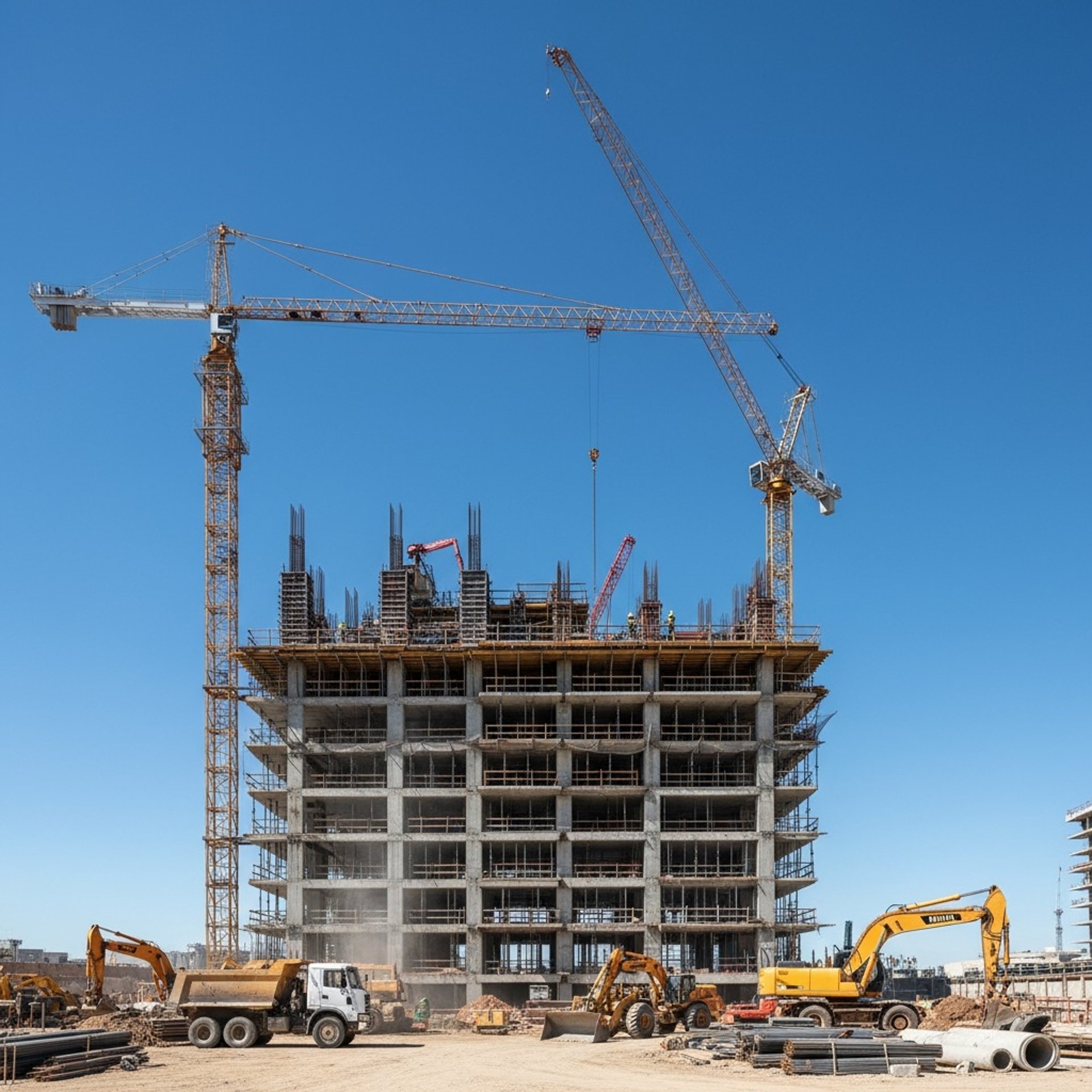
Contractor Business Insurance
Protecting job sites, equipment, and completed work
Contractors face constant exposure to property damage, job site injuries, equipment loss, and liability claims. Whether working on residential, commercial, or industrial projects, construction operations involve multiple parties, heavy equipment, and changing job site conditions. A single accident, defective installation, or injury claim can result in costly lawsuits or project delays.
Properly structured insurance helps protect your business, your contracts, and your ability to continue working.
Key Risks in Contractor Operations
Contractors face exposure related to:
Job site injuries or third-party damage
Damage to buildings under construction
Faulty workmanship allegations
Tool and equipment theft
Employee injuries
Subcontractor liability
Contract and insurance requirement disputes
Losses can occur even when work is performed correctly.
Core Coverages for Contractors
Contractor insurance programs typically include:
General Liability
Protects against bodily injury and property damage claims arising from construction operations.
Workers Compensation
Provides coverage for employee injuries and workplace accidents as required by law.
Commercial Auto
Covers vehicles used for business, including trucks, vans, and job site transport.
Inland Marine / Equipment Coverage
Protects tools, machinery, and equipment at job sites or in transit.
Builders Risk (when applicable)
Covers buildings under construction, renovation, or installation.
Umbrella / Excess Liability
Provides additional limits for large construction-related claims.
Contractor Pollution / Professional Liability (when needed)
Covers environmental exposure or design / consulting-related claims.
What’s Commonly Overlooked
Contractor insurance programs are often weakened by:
Incorrect class codes
Missing additional insured endorsements
Inadequate liability limits for contracts
No coverage for subcontractor exposure
Underinsured equipment values
Gaps between liability and builders risk policies
These issues often surface only after a claim or contract review.
Real-World Claim Examples
A worker damages a client’s property
A tool trailer is stolen from a job site
Faulty installation leads to a lawsuit
A subcontractor causes injury to a third party
A storm damages a project under construction
Even one claim can stop work or violate contract requirements.
Why Proper Placement Matters
Contractor coverage varies significantly based on:
Trade or specialty
Project size and type
Use of subcontractors
Contractual insurance requirements
State licensing rules
Job site exposure
Improper placement can lead to denied claims or inability to meet contract requirements.
Our Approach
At Cory Washington & Co., we structure contractor insurance programs based on the type of work you perform, the contracts you sign, and the projects you take on. We coordinate liability, equipment, auto, and builders risk coverage to ensure your protection matches real job site exposure.
Contractors need insurance built for the way construction actually works.
CORY WASHINGTON & CO. LLC is a licensed insurance firm headquartered in Las Vegas, Nevada. National Producer Number (NPN): 21674625. In California, we operate as CORY WASHINGTON & CO. INSURANCE SERVICES (CA License No. 6016922). All insurance products and services are offered through properly licensed entities and are subject to underwriting approval, policy terms, conditions, limitations, and exclusions. Coverage availability varies by state and individual risk profile. Nothing on this website constitutes an offer or solicitation to purchase insurance in any jurisdiction where we are not licensed or authorized to conduct business. The information provided on this website is for general informational purposes only and does not constitute professional, legal, financial, or insurance advice. Visitors should not rely on this information as a substitute for consultation with a qualified, licensed insurance professional. Certain coverages may be placed with surplus lines insurers through a licensed surplus lines broker. Surplus lines insurers do not participate in state guaranty funds; insureds are therefore not protected by such funds. For product availability, state licensing verification, or coverage guidance specific to your needs, contact us directly.
© 2026 CORY WASHINGTON & CO. LLC. All Rights Reserved.